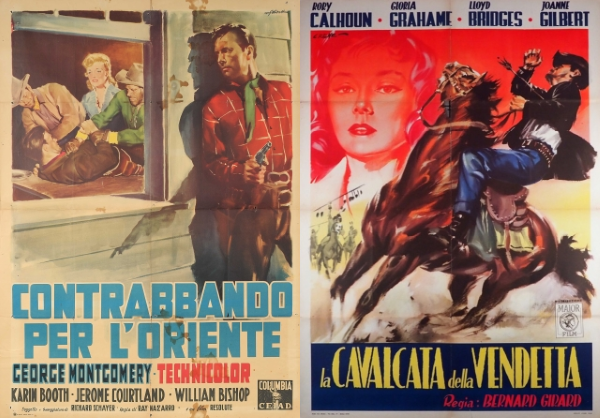
If one is to accept that the second string western, or the programmer or B movie depending on the terminology preferred, represented the bread and butter of the genre during its heyday in the 1950s (and I strongly believe that the assertion should be accepted) then it’s not unreasonable to assume those films would have much in common. Yet, leaving aside the personnel who turn up time again both in front of and behind the camera, there was in fact quite a wide variety on show. I recently watched Cripple Creek (1952) and Ride Out for Revenge (1957) back to back and was struck by how very different these two “lesser” westerns were. Both featured stars (George Montgomery and Rory Calhoun respectively) who are closely associated with such westerns and both work pretty well when taken on their own terms. Nevertheless, tonally, visually and with regard to aims, one might just as easily compare movies from two entirely different genres.
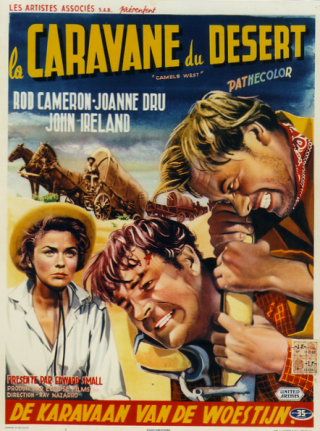
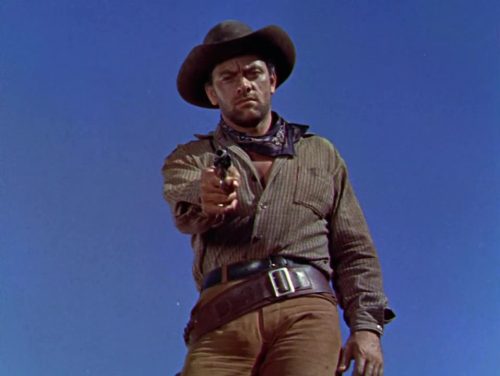
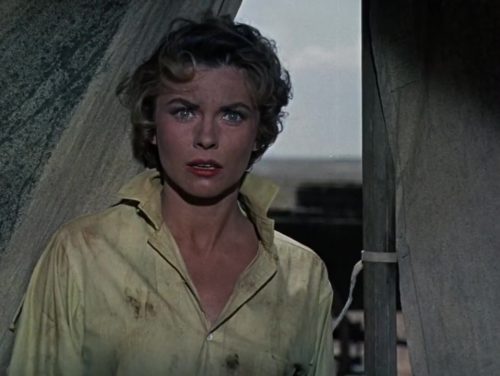
So what have these two pictures got in common? Well the 19th century setting and the locations (Colorado and the Black Hills) are fine for westerns, and both movies have the hunt for gold worked into their scripts. But that’s about as far as it goes. Cripple Creek is in essence a crime movie taking place against western backdrop, all about gold robberies, smuggling and intrepid Secret Service agents working undercover. And despite a few harder edged scenes, it has a lighter feel to it overall – I’d hesitate to say juvenile, but it does have the kind of cut and dried ethical simplicity about it that means it can be enjoyed by just about anybody regardless of age. I can’t say for sure if I saw the movie myself when I was a youngster but it is the kind of Saturday matinee fare that I tended to lap up at an impressionable age. George Montgomery is heroically square-jawed as the gutsy G-man while William Bishop and John Dehner never leave the viewer in the slightest doubt that they are up to no good. Only Richard Egan, gradually working his way up the billing towards stardom, shows a bit of shading in his characterization. Ray Nazarro serves up a colorful and broadly frothy concoction, a frank piece of lightweight entertainment that never tries to cajole the viewer into believing it’s anything more than that.
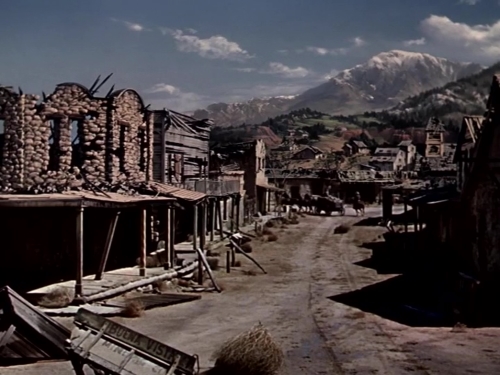
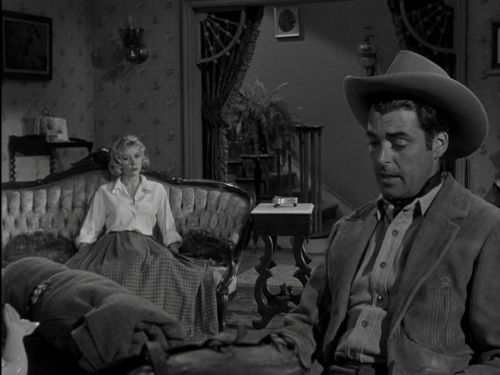
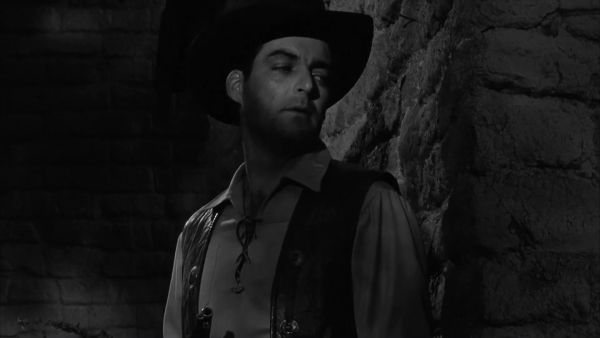
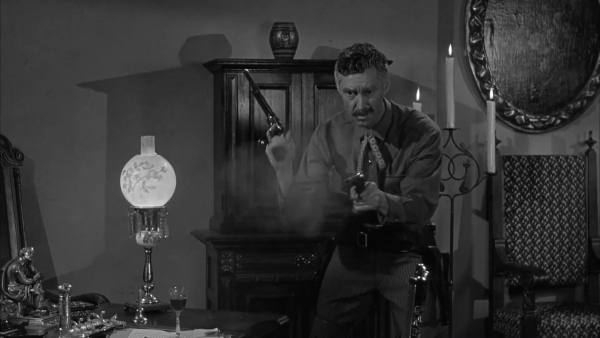
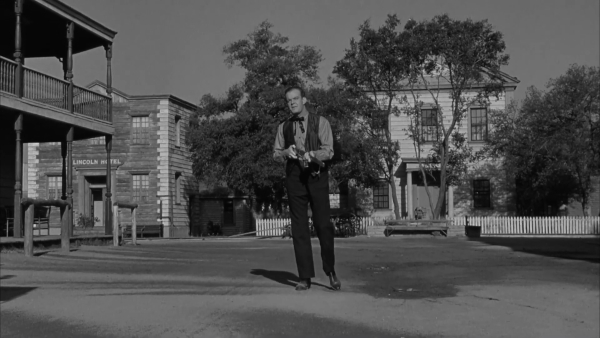
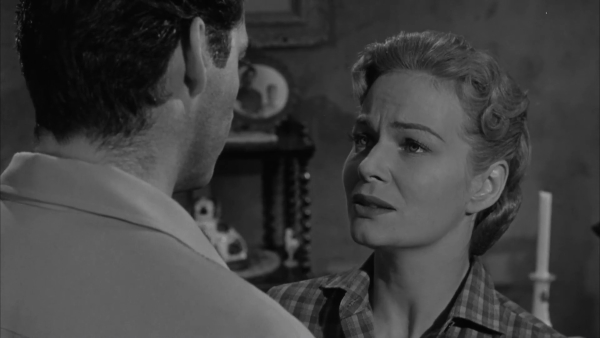
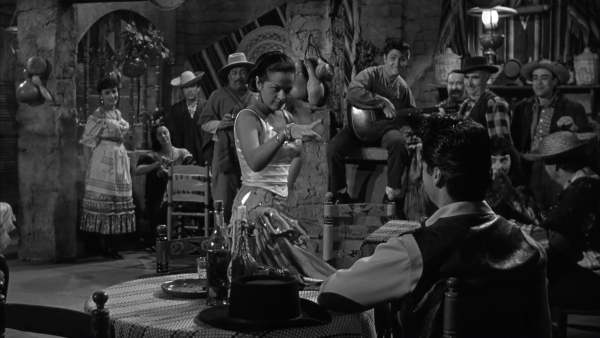
Conversely, Ride Out for Revenge is a much more serious affair. Bernard Girard is clearly shooting on a tight budget but making fine use of Floyd Crosby’s stark black and white cinematography. This is weightier stuff with conflicted marshal Rory Calhoun butting heads with a drunken and incompetent soldier played by Lloyd Bridges. The story explores greed, intolerance and the corrosive effects of unfettered hate on individuals and whole communities. There’s not much to smile about in this movie and there’s a hardness to it befits an exploration of the themes mentioned. There is an interracial romance which is central to the plot – sidelining Gloria Grahame, who appears so completely detached that hers is practically a non-performance – and has the guts to end on a far more hopeful note than is often the case with such storylines in westerns of the time. An early outing for Kirk Douglas’ Bryna Productions, Ride Out for Revenge challenges all types of prejudice and even the whole idea of manifest destiny.
So, there you have it: two westerns made just five years apart, both a step below the A list yet both radically different in look, theme and mood. The sheer malleability of the western in the classic era has always struck me and I guess I could have chosen plenty of other examples from this general time period to illustrate this.


 Riding the High Country